
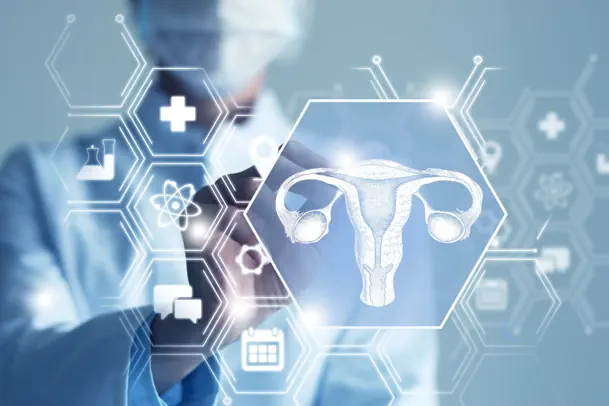
A landmark shift in reproductive medicine is underway: Polycystic Ovary Syndrome (PCOS) — one of the most common hormonal disorders affecting women of reproductive age — has been officially renamed Polycystic Metabolic and Endocrine Syndrome, or PMOS. The change, endorsed by leading medical societies including the American Society for Reproductive Medicine (ASRM), reflects decades of evolving scientific understanding of the condition.
Why the Name Change Matters
The original name "PCOS" focused on ovarian cysts, but research has increasingly shown that the condition is fundamentally a metabolic and endocrine disorder. Many patients with PMOS do not have polycystic ovaries at all, while others with polycystic ovaries do not have the syndrome. The new name, PMOS, more accurately captures the hormonal imbalances, insulin resistance, and metabolic disruptions that define the condition.
"This renaming is long overdue," says Dr. Mickey S. Coffler, reproductive endocrinologist at HRC Fertility. "The old name was creating diagnostic confusion and stigma. PMOS better reflects what we're actually treating — a metabolic and hormonal condition that affects far more than just the ovaries."
What This Means for Patients
For patients currently diagnosed with PCOS, nothing changes immediately — your diagnosis, symptoms, and treatment plan remain valid. The renaming is intended to improve long-term understanding, reduce misdiagnosis, and encourage more holistic treatment approaches that address insulin resistance, inflammation, and cardiovascular risk alongside reproductive concerns.
HRC Fertility specialists are at the forefront of PMOS diagnosis and treatment, offering individualized care plans that address both the reproductive and metabolic dimensions of this complex condition. Patients are encouraged to discuss the implications of the new terminology with their HRC physician at their next visit.